
2026 Jacobs CIFAR Research Fellows
Marilyn Ahun
Institution: McGill University, Canada
Discipline: Global health and Mental health
University & year of PhD: Université de Montréal, 2021
Summary of Work Plans for Fellowship:
My future research will build upon the learnings from my current research to design, implement, and evaluate a multi-component parenting and mental health intervention aimed at promoting child development and family well-being in Ghana. Through research area #1, I identified parenting practices as a mediator of the association between parental depression and child development. Despite robust associations between them, few interventions jointly target parenting practices and parental mental health, especially in fathers. My qualitative work in Ghana has also highlighted a lack of support services for caregivers, and the desire for community-based partnerships to develop culturally-relevant interventions. Finally, my reviews have highlighted a pressing need for implementation science research to improve understanding of how and for whom early childhood interventions work, and how to effectively integrate them into existing services. I’m working with a team of local and international researchers and policymakers to fundraise for this work. Our aim is to leverage existing community partnerships and use implementation science frameworks to improve child, maternal, and paternal outcomes in Ghana.
Liliana Andriano
Institution: University of Southampton, United Kingdom
Discipline: Demography and Social Sciences
University & year of PhD: University of Oxford, 2020
Summary of Work Plans for Fellowship:
My proposed research investigates how climate extremes, such as droughts and floods, influence educational outcomes in SSA, where recent educational expansion has coincided with a severe ‘learning crisis.’ Climate change threatens to further harm learning because climate extremes impact health, food security, and infrastructure, all of which can undermine children’s ability to attend school and learn effectively. This risk of climate-induced learning losses is particularly acute in SSA, where by 2030, young people will comprise 42% of the world’s youth, calling for more research in this area. My planned research addresses three key questions: How do different types of climate extremes impact primary-school attendance and learning? What pathways link these extremes to schooling outcomes? How do these effects vary by socio-economic status, parental literacy, urban residence, and gender? Using originally compiled survey data and causal inference methods, this research analyzes how children’s socio-economic conditions mitigate the adverse effects of climate shocks, providing evidence for policy interventions to reduce social inequalities and enhance learning in vulnerable communities.

Jenny Yun-Chen Chan
Institution: The Education University of Hong Kong, Hong Kong
Discipline: Early Child Development and Educational Psychology
University & year of PhD: University of Minnesota-Twin Cities, 2019
Summary of Work Plans for Fellowship:
I have three goals: (1) integrate cognitive, social, and affective skills to promote whole-child development, (2) partner with stakeholders to address children’s needs, (3) build transdisciplinary communities to advance education. To achieve these goals, I collaborate with stakeholders and interdisciplinary scholars (e.g., cognitive science, education, human-computer interaction, data science, learning analytics, and public health) to design dynamic interventions that adapt to the diverse needs of individuals and various contexts. We promote whole-child development through designing, testing, and analyzing physical and digital activities (e.g., cooking, shopping, building, playing) that ground learning in children’s cultures and environments. We generate and translate evidence to advance policy and practice for child wellbeing.
Jorge Cuartas
Institution: New York University, United States
Discipline: Human Development and Child and Family Studies
University & year of PhD: Harvard University, 2024
Summary of Work Plans for Fellowship:
I have developed a research plan for the next five years, culminating in the submission of my tenure dossier in 2030. On climate change, I will conduct cross-national quasi-experimental studies linking satellite data on climate hazards (e.g., excessive heat) with geocoded household surveys (e.g., UNICEF’s MICS, Young Lives) to assess the impacts, mechanisms (e.g., parenting, early childhood education attendance), and variation in climate change effects on early childhood learning and development. I will also perform systematic reviews on climate change and early learning outcomes, analyzing how these effects vary based on individual and contextual factors. I aim to secure funding for a longitudinal study on learning and development in climate hazard settings, ideally in collaboration with the Jacobs’ Learning Variability Network Exchange (LEVANTE). In the area of violence prevention, I will continue to develop my parenting program, Apapacho, with plans for a randomized controlled trial to assess its impact on early learning environments and child development, utilizing LEVANTE’s data collection tools.
Michele Giannola
Institution: University of Naples Federico II, Italy
Discipline: Economics and Human Development
University & year of PhD: University College London, 2021
Summary of Work Plans for Fellowship:
Millions of children are at risk of inadequate care and stimulation at home and school, leading to persistent variability in the skills of affluent and deprived children. Since learning follows hierarchical rules, understanding how home and school environments interact is key to helping children reach their potential. I will explore these questions in three projects. Using longitudinal data from a parenting and teacher intervention in Colombia, I will analyze home and school inputs, dynamic interactions and whether they are complements or substitutes for learning. Second, drawing on unique data collected with the Palestinian Ministry of Education, I will study how variation in conflict exposure at home affects child development and assess the mitigating role of high-quality school environments. Informed by the findings, I will then field an international survey of parents and teachers to explore mechanisms and examine perceptions about high-quality learning environments, how they vary across respondents (e.g., by SES, culture), and how they compare with objective quality measures. These projects aim to inform policies that support every learner to thrive even in challenging contexts.
Max Kleiman-Weiner
Institution: University of Washington, United States
Discipline: Cognitive Psychology and Computer Science
University & year of PhD: Massachusetts Institute of Technology, 2018
Summary of Work Plans for Fellowship:
I aim to develop computational models of caregiving that capture how caregivers balance immediate intervention with promoting long-term autonomy. Rather than simply helping in the moment, effective caregiving requires a delicate balance - providing enough support to enable growth while allowing space for independent exploration and learning from mistakes. This connects to fundamental questions about human development: How do we cultivate intrinsic motivation and resilience? What role does productive struggle play in building competence? By studying these dynamics computationally, we can better understand how to design care systems (both human and artificial) that truly empower rather than create dependency. The goal is to develop principles for care that promote genuine autonomy while still providing crucial support during development. The work combines formal mathematical models (POMDPs, Bayesian inference) with carefully designed behavioral experiments to understand the cognitive processes underlying care. This work connects to broader questions about moral development, socialization, and how to design more effective parent and educator interactions.
Kate Nussenbaum
Institution: Boston University, United States
Discipline: Developmental Psychology and Cognitive Neuroscience
University & year of PhD: New York University, 2023
Summary of Work Plans for Fellowship:
Making good choices requires considering not just their immediate outcomes, but also their longer-term consequences, a cognitive process that exhibits substantial individual variability across development. Such variability may reflect adaptation to the predictability of experienced environments. In predictable environments, knowledge of the world can be used to forecast the long-term consequences of different actions. In volatile environments, however, learned action-outcome contingencies may change too rapidly to be useful. Early experiences in predictable environments may thus encourage people to learn and use contextual regularities to guide behavior, shaping the learning strategies they employ in new contexts. To test this, I will measure real-world environments (via novel experience-sampling and geolocation tracking methods), manipulate lab-based learning environments, and use computational models to assess individual differences in how 7-25 year-olds adapt their learning strategies to varying degrees of predictability. My goal is to understand how the environmental statistics people experience across development shapes how they learn and leverage knowledge of the world.
Amy Orben
Institution: University of Cambridge, United Kingdom
Discipline: Psychology and Applied Psychology
University & year of PhD: University of Oxford, 2019
Summary of Work Plans for Fellowship:
Digitalization and AI have the potential to transform global education by moving beyond one-size-fits-all and offering adaptive technologies that cater to learner variability. Many researchers and educators recognise this. However, concerns about screens’ impact on children’s mental health and attention are growing in high-income countries, often due to a misunderstanding that all screen time is harmful. If unchecked, these concerns could undermine the use of valuable educational technologies backed by research.
My planned research aims to address this issue using both fundamental and applied approaches: 1) I will build on cognitive models like Reinforcement Learning to explore how ‘addictive’ design features in tech can be both used for education and distraction. 2) Using innovative methods like ‘data donation,’ I will study how educational and ‘harmful’ apps coexist on children’s devices, tracking their transitions between these activities. 3) I will apply social psychological approaches to explore parental concerns about screen use in schools, collaborating with educators and PR experts to create an informational campaign that differentiates beneficial from harmful screen time.
Celia Reddick
Institution: Florida State University, United States
Discipline: Education and Social Science
University & year of PhD: Harvard University, 2022
Summary of Work Plans for Fellowship:
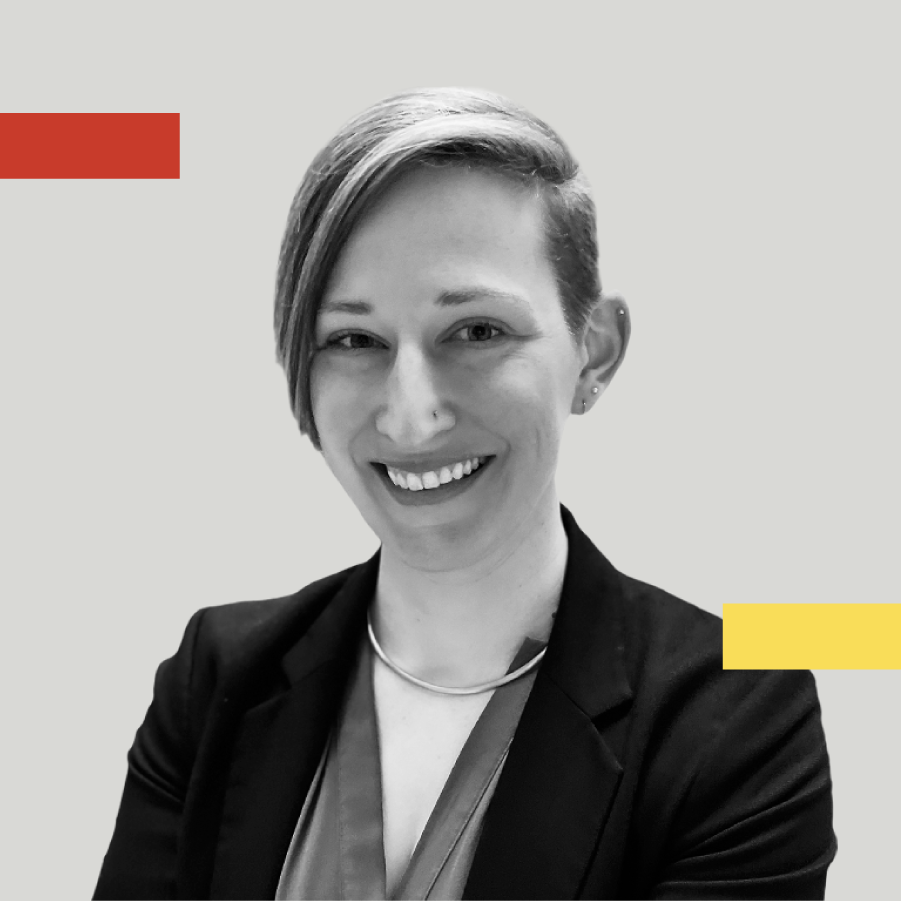
I study education in contexts of conflict and crisis, examining within-group and contextual variability in refugee education. Specifically, I examine the role of language policies and pedagogy in refugee children’s learning. I have three streams of work in this area. 1) First, I study within-group variability in refugee education, analyzing the school-based factors related to language that influence refugee children’s learning, well-being, and aspirations for the future. 2) Relatedly, I examine contextual variability, studying educators’ varying approaches to multilingualism in classrooms with refugee and host country students together, seeking to understand why and how teachers of refugees vary their practice. 3) Finally, I examine school-level factors that support refugee children’s development, as well as factors at the family level that enable refugee children and families to thrive in highly constrained environments. This research has been enabled by relationships with educators, policymakers, and young people navigating education in settings of conflict and forced migration, and has implications for education policy and practice in refugee-hosting settings.
Rachel Romeo
Institution: University of Maryland, United States
Discipline: Developmental Neuroscience and Human Development
University & year of PhD: Harvard University, 2018
Summary of Work Plans for Fellowship:
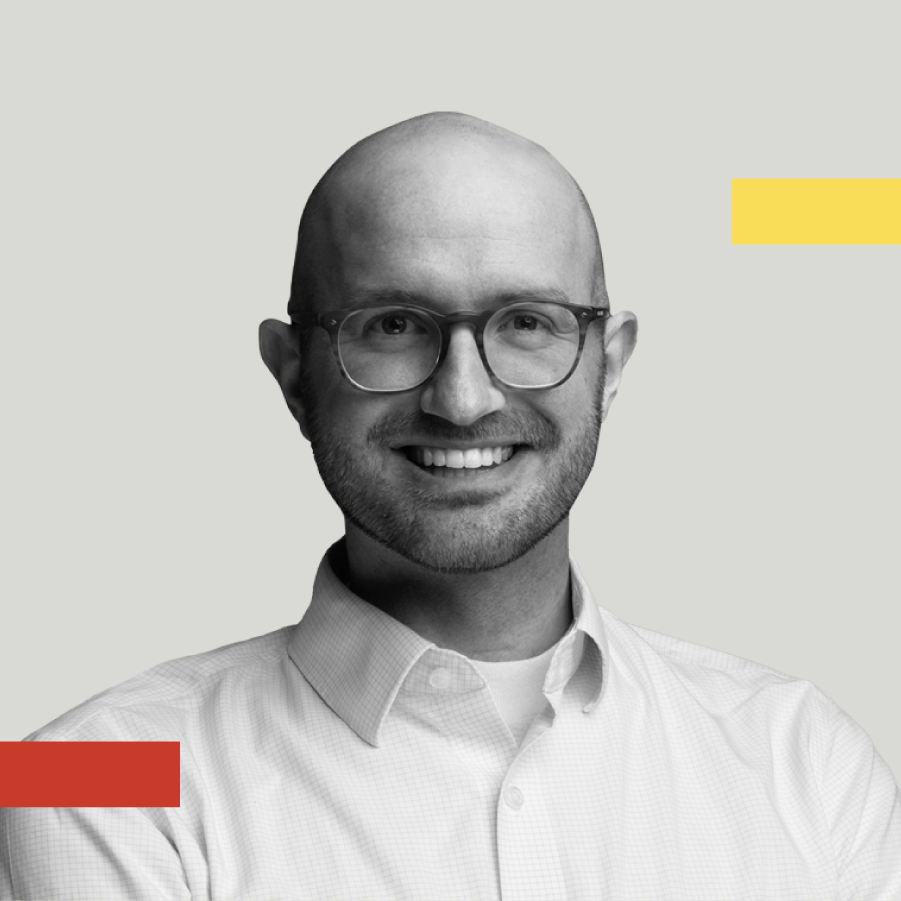
Recent research suggests that a child learns better when there is greater synchronization between their brain and a caregiver/teacher’s brain. Using functional near-infrared spectroscopy (fNIRS), I will measure brain-to-brain synchrony between Kindergarteners and their teacher to examine the neural mechanisms underlying vocabulary learning as a lesson unfolds. I will explore how both learning outcomes and the underlying neural mechanisms vary between children, e.g., across sociodemographics, learning mindsets, and the degree of match/mismatch between home and classroom communication styles. Repeated measures will also reveal how individual children’s learning varies across contexts, e.g., higher/lower “stakes” lessons (emotional manipulation), and whether children and teachers become more neurally synchronized across the school year. Beyond demonstrating basic mechanisms of successful versus unsuccessful learning, I aim to understand contextual factors that drive disparities in learning for children from disadvantaged backgrounds, how they vary across short and long timescales, and potential interventions to increase equitable learning outcomes.
Wayne Sandholtz
Institution: Nova School of Business and Economics, Portugal
Discipline: Economics and Political Science
University & year of PhD: University of California, San Diego 2020
Summary of Work Plans for Fellowship:
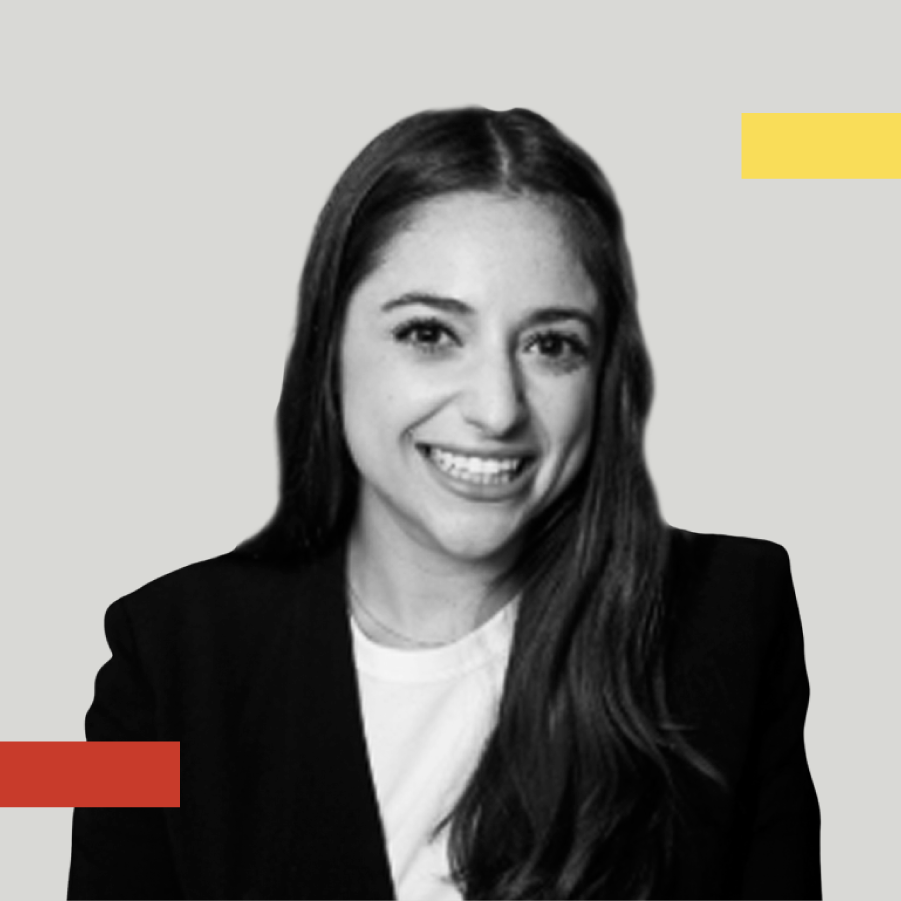
A wealth of recent evidence, including much of my own, sheds light on how to improve student learning. However, the adoption of these evidence-based practices is subject to the discretion of policymakers, leaving millions of children's learning subject to political and bureaucratic uncertainties. My proposed project aims to gather evidence on policymakers' political incentives to adopt evidence-based policy by measuring how improved learning affects electoral outcomes. To accomplish this, the project will leverage existing data from dozens of randomized controlled trials of learning interventions, for which good estimates exist of program effectiveness and the variability of program effectiveness. I will then combine these data on variation in educational policies with newly gathered electoral data, measuring whether voters near higher-learning schools reward the government at the ballot box for improving school quality. Connecting and harmonizing these disparate data sources will ultimately provide actionable evidence on how and when policymakers benefit from adopting policies that improve student learning. This is crucial for designing policies that can truly scale.
Moriah Sokolowski
Institution: Toronto Metropolitan University, Canada
Discipline: Developmental Psychology and Cognitive Neuroscience
University & year of PhD: Western University, 2019
Summary of Work Plans for Fellowship:
My fundamental goal is to understand variability in math learning and use this knowledge to support all children in reaching their potential. To accomplish this, I plan to: 1) Extend my ongoing research by exploring how inequalities in educational environments influence both the basic building blocks of mathematical thinking and early predictors of selecting and succeeding in academic disciplines that require math. 2) Leverage my discovery of non-traditional predictors of later math abilities (e.g., poor visual imagery abilities; tendencies to avoid math) to develop early screening tools and targeted educational interventions to reduce inequalities in children’s educational environments. 3) Implement a network neuroscience approach to identify common neural substrates of learning disorders across educational content domains. This work will provide a mechanistic explanation for features such as comorbidities and patterns of extreme strengths and relative weaknesses within individuals. My research will support the development of individualized prevention and intervention methodologies, which hold promise for helping heterogeneous learners identify and excel in their academic niches.