Skip to content
CIFAR header logo
fr
menu_mobile_logo_alt
  • Our Impact
    • Why CIFAR?
    • Impact Clusters
    • News
    • CIFAR Strategy
    • Nurturing a Resilient Earth
    • AI Impact
    • Donor Impact
    • CIFAR 40
  • Events
  • Programs
    • Research Programs
    • Pan-Canadian AI Strategy
    • Next Generation Initiatives
    • CIFAR Arrell Future of Food Initiative
  • People
    • Fellows & Advisors
    • CIFAR Azrieli Global Scholars
    • Canada CIFAR AI Chairs
    • AI Strategy Leadership
    • Leadership
    • Staff Directory
  • Support Us
  • About
    • Our Story
    • Awards
    • Partnerships
    • Publications & Reports
    • Careers
    • Equity, Diversity & Inclusion
    • Statement on Institutional Neutrality
    • Research Security
  • fr
Uncategorized

Fungal Kingdom

By: CIFAR
16 Jan, 2019

January 16, 2019
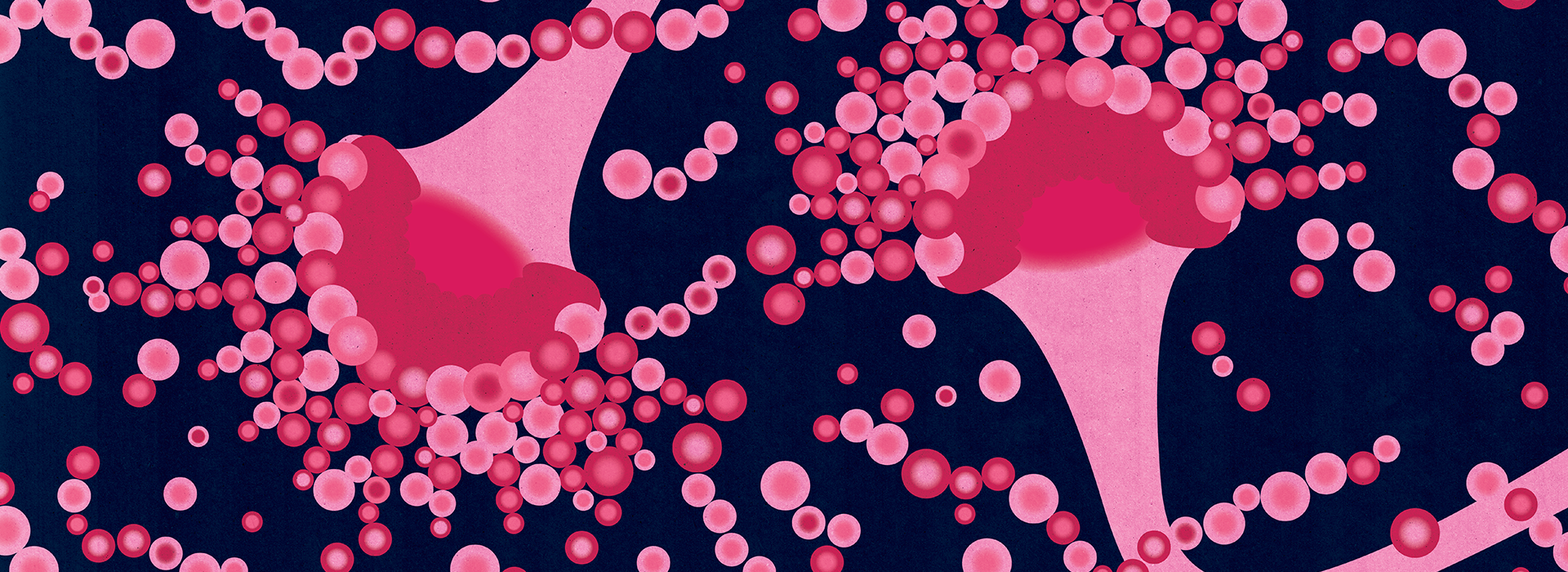
Fungal Kingdom Illustration

What are the potentials and perils of fungi to medicine, climate and food?

There are more than 1.5 million species of fungi in the world. Some are crucial to our immune systems, while others cause lethal diseases in humans and in food crops.

The Fungal Kingdom program will study the genetic bases of these properties in fungi, their evolution and how they help and hurt plants, wildlife, and humans. They will ask fundamental questions, including: Why do some fungi cause disease? How can we predict the next emerging pathogen? What are key features of a vaccine to prevent fungal infections?

Tapping into the biology of fungi is crucial to protecting humans and our environment. It can avert the threat of biological warfare and epidemics. It can develop a new class of drugs, vaccines and treatments for antimicrobial resistance. It means we can grow stronger crops and produce better food and biofuels.

Applicants

  •   Leah Cowen is a professor and Canada Research Chair in Microbial Genomics and Infectious Disease in the Department of Molecular Genetics at the University of Toronto.
  •   Joseph Heitman is the James B. Duke Professor and Chair of Molecular Genetics and Microbiology at
    Duke University.

Find out more about the other short-listed Global Call proposals

  • Follow Us

Related Articles

  • Privacy by Design
    March 05, 2026
  • CIFAR announces research program decisions for 2025-2026
    March 04, 2026
  • CIFAR and Mitacs partner to attract top next-gen talent to Canada
    March 02, 2026
  • CIFAR commits $1M to global AI safety initiative
    February 19, 2026

Support Us

The Canadian Institute for Advanced Research (CIFAR) is a globally influential research organization proudly based in Canada. We mobilize the world’s most brilliant people across disciplines and at all career stages to advance transformative knowledge and solve humanity’s biggest problems, together. We are supported by the governments of Canada, Alberta and Québec, as well as Canadian and international foundations, individuals, corporations and partner organizations.

Donate Now
CIFAR header logo

MaRS Centre, West Tower
661 University Ave., Suite 505
Toronto, ON M5G 1M1 Canada

Contact Us
Media
Careers
Accessibility Policies
Supporters
Financial Reports
Subscribe

  • © Copyright 2026 CIFAR. All Rights Reserved.
  • Charitable Registration Number: 11921 9251 RR0001
  • Terms of Use
  • Privacy
  • Sitemap

Subscribe

Stay up to date on news & ideas from CIFAR.

This website stores cookies on your computer. These cookies are used to collect information about how you interact with our website and allow us to remember you. We use this information in order to improve and customize your browsing experience and for analytics and metrics about our visitors both on this website and other media. To find out more about the cookies we use, see our Privacy Policy.
Accept Learn more