By: Anastasiya Romanska
3 Jul, 2026

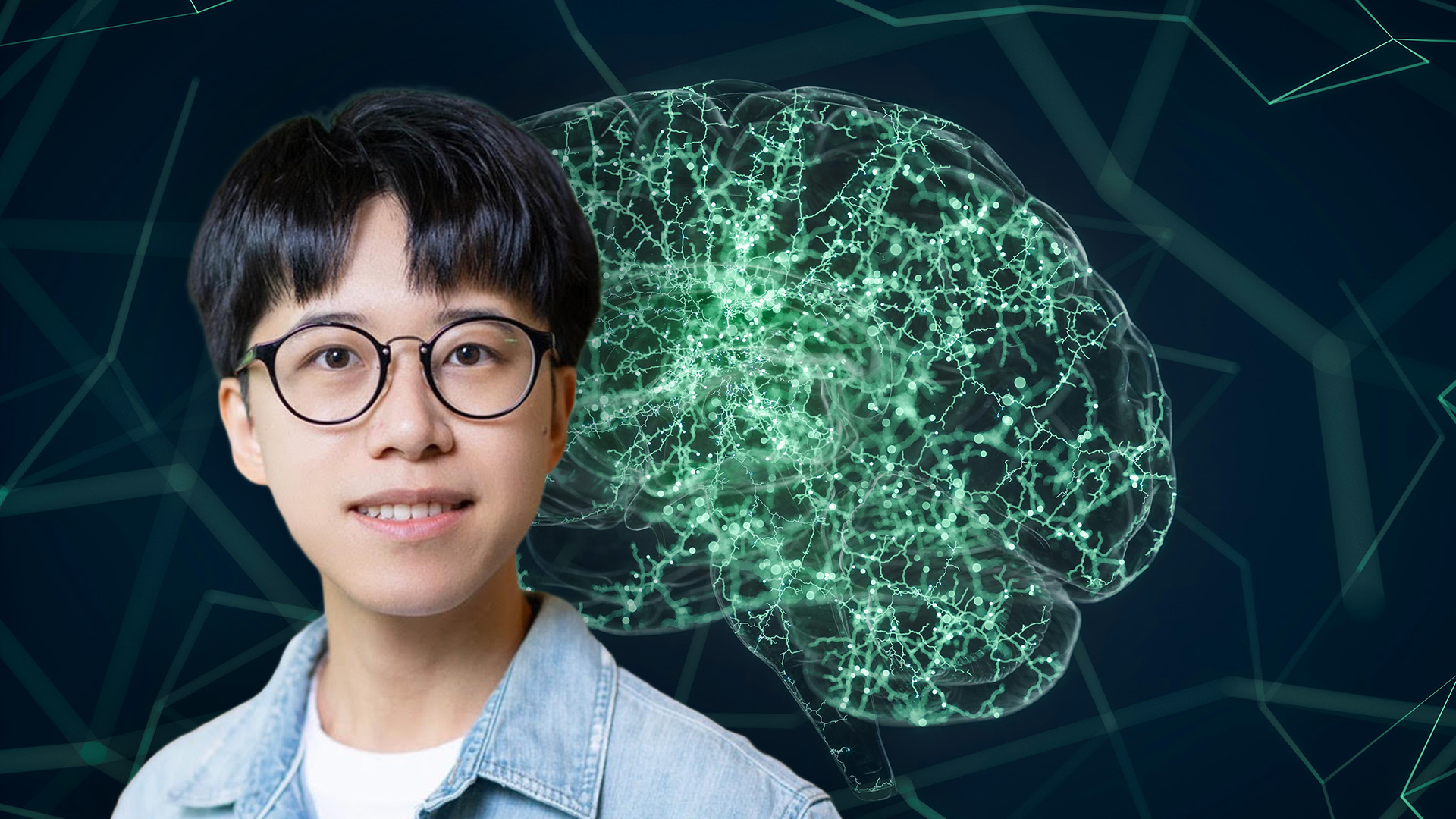
When Xiaoxiao Li first encountered machine learning over a decade ago, it felt like “a magic toolbox.”
Today, as a Canada CIFAR AI Chair at Vector Institute, associate professor at the University of British Columbia and lead principal investigator of the Trusted and Efficient AI (TEA) Lab, Li is focused on making that “magic” reliable enough to use in the real world.
The lab specializes in the field of deep learning and healthcare, training AI to analyze a wide variety of data, from brain signals and pathology slides to clinical notes. These systems must work with messy, sensitive and complex biomedical information, while being fast enough to be useful, understandable to experts and protecting the people whose data helps train them.
According to Li, bridging the gap between AI research and real-world deployment is where things get complicated. The two major challenges: trustworthiness and efficiency.
In healthcare, the stakes for both are incredibly high. A doctor must understand the evidence behind an AI-suggested diagnosis before trusting it, just as a surgeon cannot afford to wait for a system’s slow response during a live operation.
As Li pointed out, these challenges extend beyond medicine. The demand for fast, reliable AI is universal, whether it is a lawyer verifying a legal recommendation or a self-driving car making a split-second safety decision. But Li emphasized, speed cannot compromise accuracy.
“In the medical domain, efficiency is not the priority,” they said. “Ensuring that your output is accurate is the top priority.”
It all comes down to responsible AI, which in healthcare means ensuring systems are not only transparent, traceable, reliable and privacy-preserving, but also fair. This necessitates algorithms that perform equally well across different subpopulations, not just privileged groups.
Laboratory success is important, but true clinical responsibility requires an AI tool to prove itself in the unpredictable real world. This is the step Li is currently taking in their work with BC Cancer. The team has filed a patent for an AI tool that assists with cancer screening and automatically generates reports from medical images. Moving from the research lab into active clinical use, the algorithm will take on routine, time-consuming tasks, drastically streamlining workflows and improving efficiency for pathologists.
What is paramount, Li explained, is ensuring that AI is introduced where the risks are understood and manageable. In their view, the aim is not to replace doctors or ask AI to solve the most difficult and uncertain medical cases on its own. It is to build tools that can support experts, especially in settings where clinicians can review the output and identify mistakes.
If people do not trust an AI system, Li would rather they be careful than reckless. Skepticism, they argue, is a part of responsible innovation.
Supporting that innovation, Li highlighted, is the Canada CIFAR AI Chairs program.
“The benefits are very clear…Connection to the AI community is very important for me in order to collaborate with other colleagues. We have already participated in a lot of events hosted by CIFAR and Vector.”
Li shared that the program has provided funding to recruit talented trainees, opportunities to connect with other top-class researchers, access to computational resources and increased visibility for their research. That visibility has also helped community organizations and companies find the TEA Lab when looking for AI expertise.
Despite being a top expert in the field, Li has not lost the sense of wonder that first drew them to AI. They are now struck by the idea of AI self-evolution or recursive learning: systems that can improve themselves with limited human intervention. For Li, that still feels like magic. But their current research is about making sure the magic doesn’t summon the sorcerer’s apprentice.
Their message is clear: AI should not only be accurate, it should also be safe to rely on. It should protect privacy, reduce unfairness and support human expertise. Most of all, it should deliver positive benefits to people and the planet.