By: Abeer Khan
8 Jun, 2026

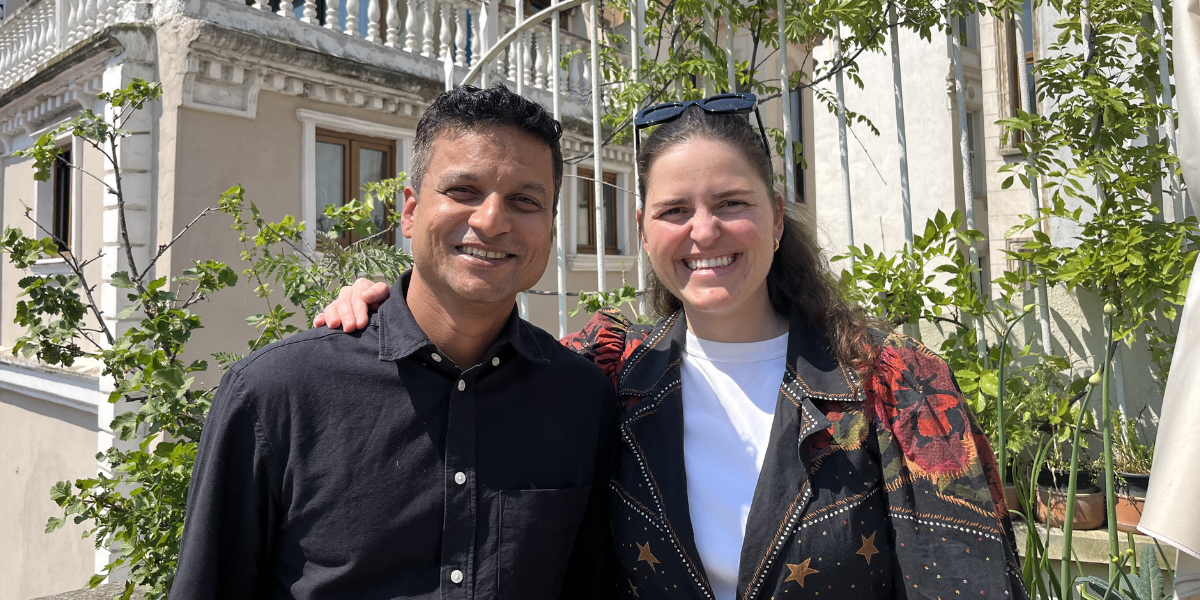
Kulbhushansingh Suryawanshi is no stranger to the high-altitude mountains and coarse fields of the Western Himalayas. As an ecologist and conservation scientist, he directs the Snow Leopard Trust in India and heads the High Altitude Program of the Nature Conservation Foundation, where he studies the population dynamics between snow leopards, their wild herbivore prey and livestock. Suryawanshi, a Fellow in CIFAR’s Future Flourishing program, seeks to understand how changing economic conditions in the region affect its ecology.
“One of the biggest changes in this area right now is the shift from cultivating black peas to green peas,” says Suryawanshi. In the 1980s, the green pea was introduced to the area as a cash crop. Due to its higher value, it took precedence over traditional cultural crops, such as the black pea and barley. Two decades later, these crops have largely been displaced and their cultural importance neglected. And while cash crops have provided the region with financial security, they are water-intensive and vulnerable to climate change, making them less resilient as the planet warms and resources evaporate.
So when Suryawanshi’s former student, Harman Jaggi, who is now a High Meadows Environmental Institute Postdoctoral research affiliate at Princeton University, reached out to him, saying she wanted to return to the Himalayas for her PhD research, he was quick to suggest work on the black pea. Jaggi was already interested in the black pea, largely inspired by the long field hikes to set up camera traps for previous snow leopard research. When she ventured through the mountains, local collaborators and field assistants would often share a traditional mix of roasted barley and black pea flour, which sustained her team for hours.
Together, Suryawanshi and Jaggi sat down with farmers Rinchen Tobge and Tanzin Tsewang, to understand the importance of the crop. They knew through traditional knowledge that black peas were more climate-resilient — able to withstand the harsh altitude climate — and had nutritional value widely regarded by the community. They just needed to test it scientifically.
With collaborators including CIFAR Azrieli Global Scholar Alejandra Echeverri and local farmers, the research team found that black peas and barley substantially outperformed cash crops like the green pea under drought-like conditions. The study also presents the first whole-genome sequencing data for black peas, revealing remarkable genetic diversity and higher protein content, pointing to their potential for climate-resilient food systems. Their findings confirmed what they had already been told by local community members, who prefer growing black peas and hope it gains as much value as green peas in the future so they can pivot back to their agricultural roots.
“The essential argument we are making is that if we want to have climate-resilient agriculture, we need to look at these traditional varieties and make them more suitable for the market rather than letting the market lead us into what we grow,” says Suryawanshi.
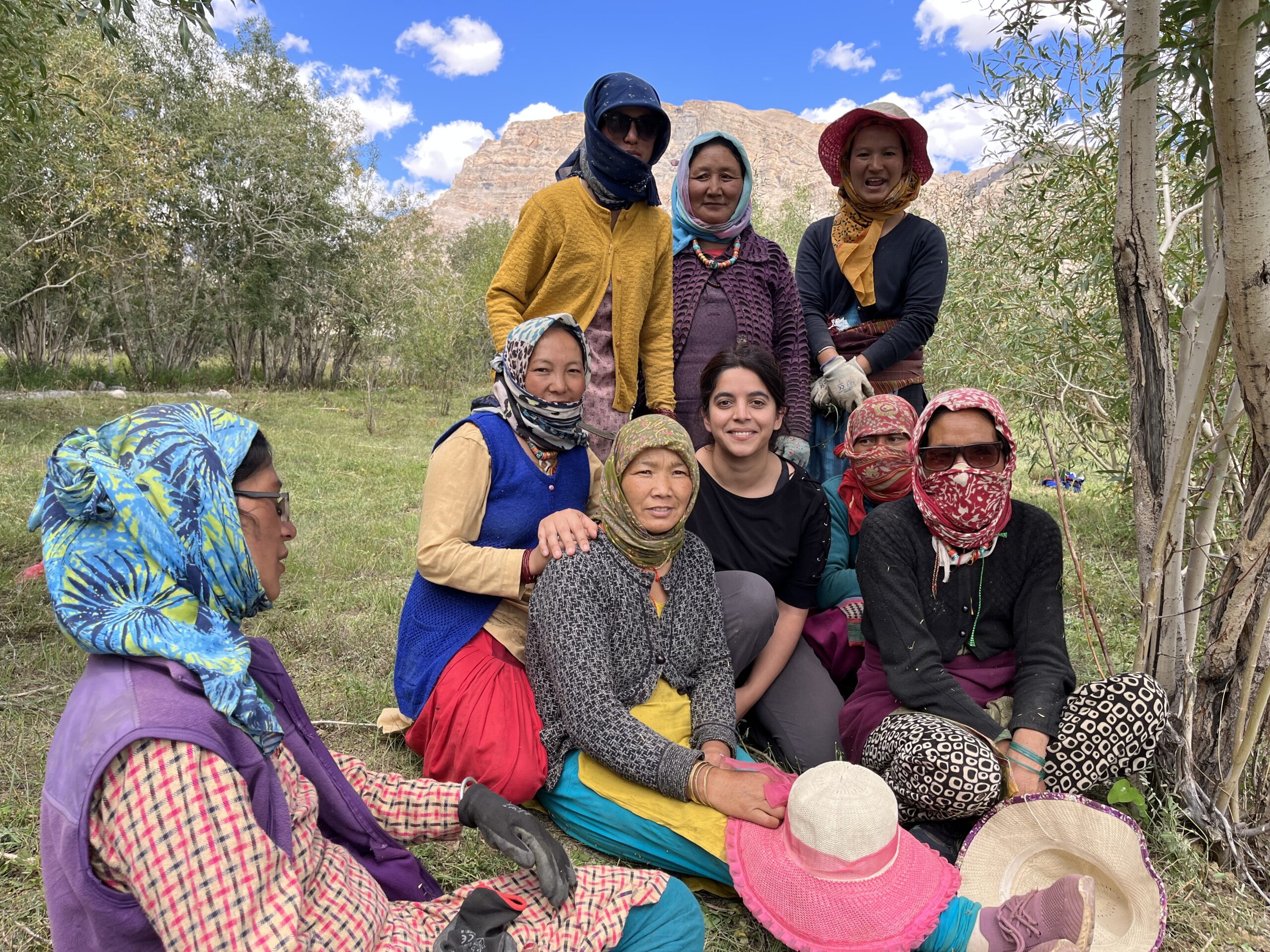
The project centred the Indigenous agronomic knowledge of farmers who have cultivated black peas for generations in the research process, and not just as supplementary context.
“The work reminds us that knowledge from small-holding farmers can offer critical solutions in a warming world,” says Jaggi.
The study, at the intersection of biology, ecology and sociology, has been recognized by the Ecological Society of America with the 2026 Sustainability Science Award, highlighting the researchers’ valuable contributions to sustainability science.
Echeverri, who is from Colombia, says having all eight co-authors on this paper be from the Global South recognized for their work is an honour.
“It’s important to show the world that good science can happen outside of the global north. This award recognizes the integrity, community-grounded and place-based science our study is rooted in,” she says. “It also shows that the way we do science and how we think about the relationship between biodiversity, local knowledge and cultural practices is worthy of awards.”
Suryawanshi credits his involvement with CIFAR as a key reason for this study’s success. In the Future Flourishing program, he explains that members are encouraged to explore what it means to live well without human exceptionalism, which is the idea that humans are separate from their environment, other organisms or the tools they use.
“Thanks to CIFAR and this new way of looking at the work that we are doing, this collaboration took a completely different approach, and I think that is what has been recognized by the Ecological Society of America. The most important ingredient in all this is CIFAR’s new way of looking at things.”