By: CIFAR
19 May, 2026

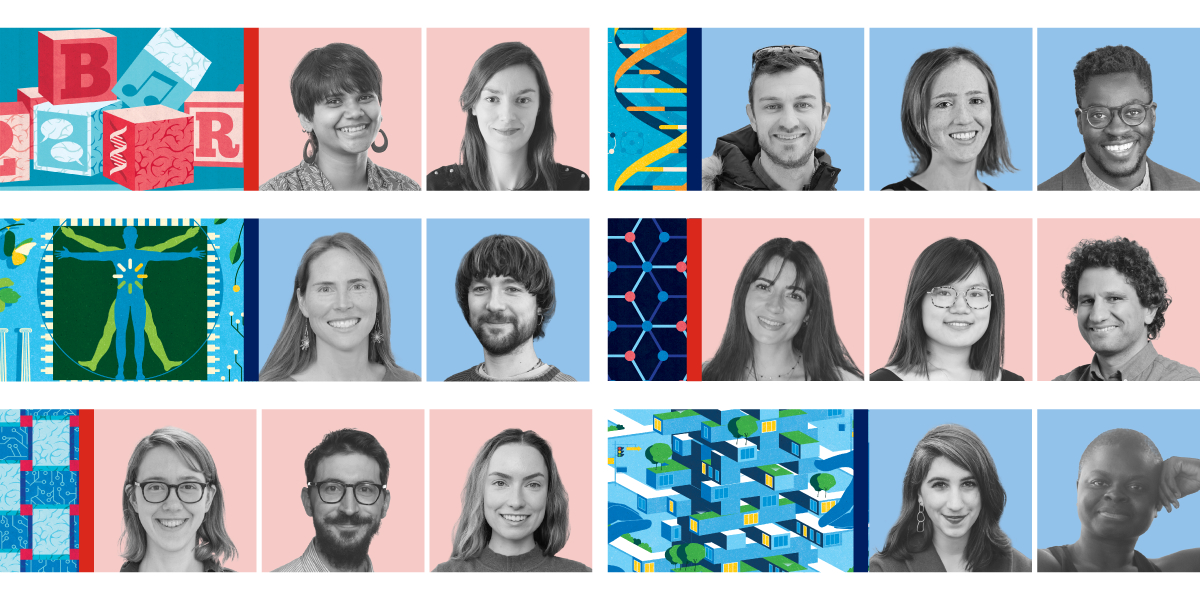
How could Indigenous laws help address climate change and biodiversity loss? How might our understanding of the microbiome, quantum materials and AI transform the technologies and health systems of the future?
These are among the bold questions driving 15 exceptional early-career researchers named CIFAR Global Scholars for 2026-2028. As the newest members of CIFAR’s global research community, they will join leading researchers from around the world to advance ambitious ideas across disciplines.
Now in its eleventh year, the CIFAR Global Scholars program has empowered early-career researchers to strive for global impact by supporting opportunities for leadership development and championing bold ideas through global, interdisciplinary collaboration.
This Next-Generation Initiative enables early-career researchers to expand their professional networks and pursue cutting-edge ideas with CAD $100,000 of unrestricted research funding. What’s more, the researchers become full members of a CIFAR research program, gaining access to international networks, mentorship and opportunities for deep interdisciplinary collaboration.
“Early-career researchers are at the stage where community, mentorship and support can absolutely change the trajectory and impact of their research,” said Rachel Parker, Head of Next-Generation Initiatives. “Through CIFAR’s Next-Gen programming, such as CIFAR Global Scholars program, we are creating space for these exceptional researchers to conduct meaningful collaboration across disciplines and geographies, take bold steps in their research and grow as leaders within a global research community.”
Following a competitive recruitment process that generated over 450 applications from 41 countries across the globe – the highest number of applicants in the program’s history – the new cohort features top early-career researchers based at institutions in Canada, the United States, Switzerland, South Africa and the United Kingdom, to name a few. Their geographic diversity is further enriched by additional countries of citizenship, including Benin, China, Germany and India.
“Supporting the next generation of research leaders is one of CIFAR’s most important priorities,” said Stephen J. Toope. “Through the CIFAR Global Scholars program, we are creating opportunities for outstanding early-career researchers to pursue bold, interdisciplinary ideas at a time when that kind of work is both deeply critical and yet increasingly difficult to sustain. I am very pleased to welcome this new cohort to CIFAR and look forward to celebrating their future impact.”
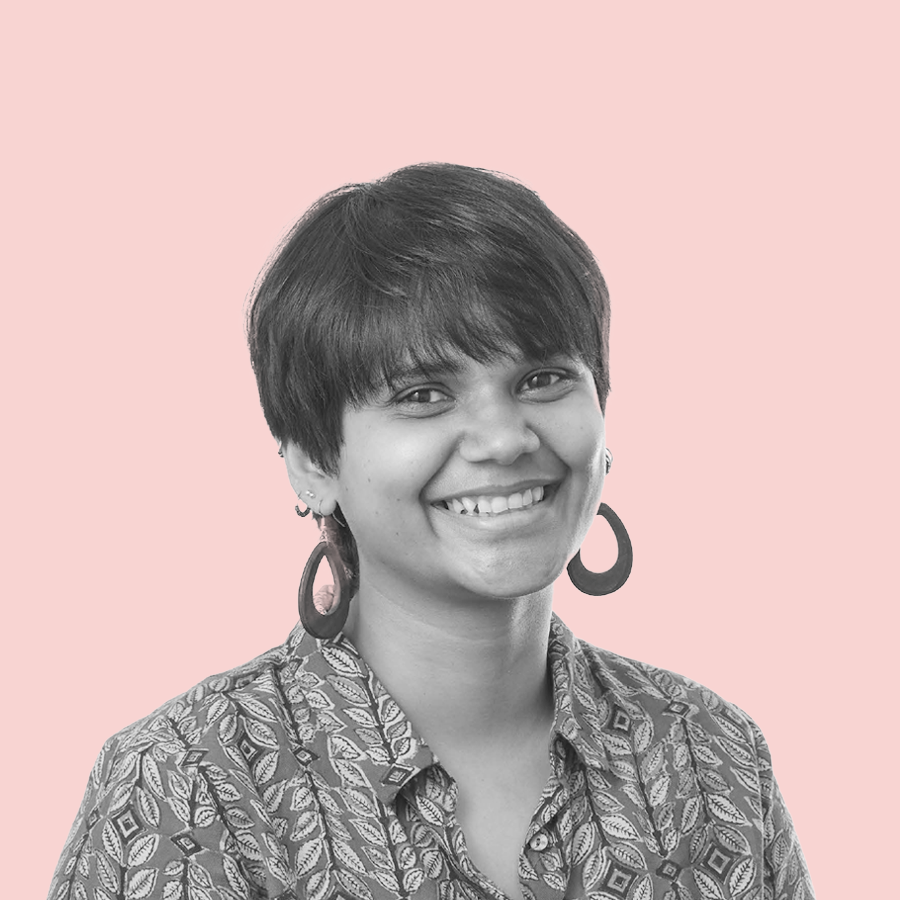
King’s College London
United Kingdom
Divyangana Rakesh uses developmental cognitive neuroscience to study how environmental adversity and inequality become biologically embedded in the developing brain. Drawing on large-scale neuroimaging datasets, Rakesh’s research examines how poverty, neighbourhood disadvantage and macroeconomic inequality shape brain development, cognitive function, academic outcomes and mental health in children and adolescents. Her work also looks at resilience, asking what protects children from the effects of disadvantage.
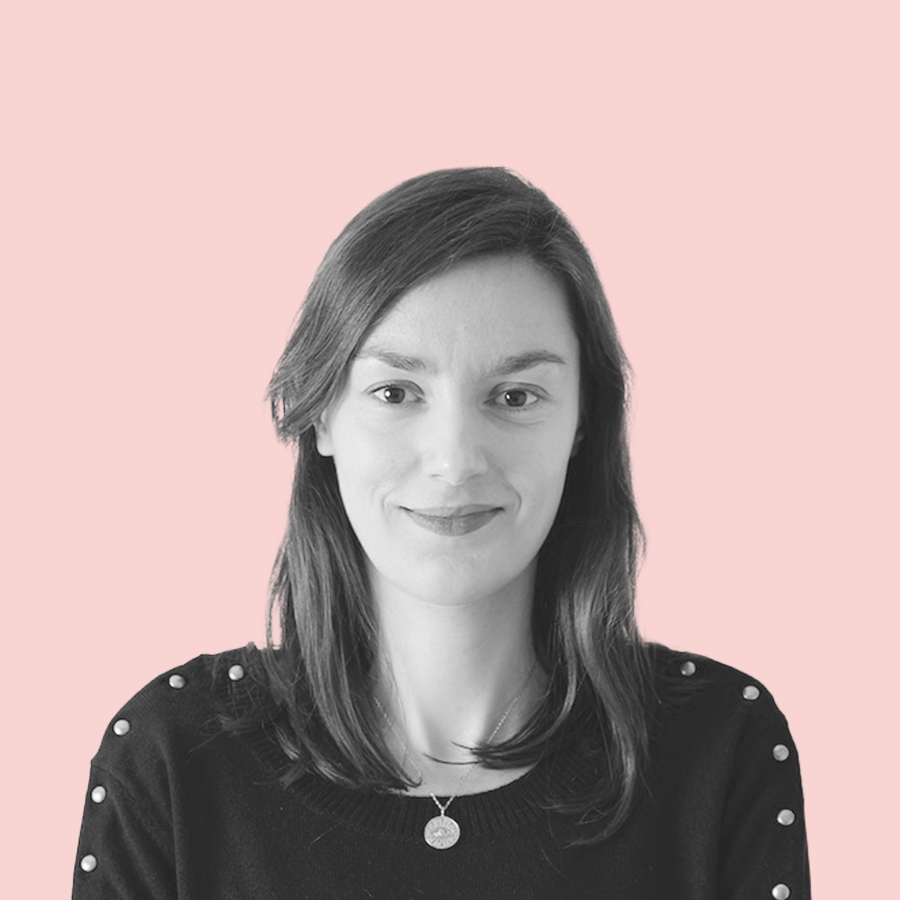
London School of Economics and Political Science
United Kingdom
Emilie Courtin combines policy evaluation and social epidemiology to understand how adverse social circumstances affect health across the life course, beginning in pregnancy. Courtin’s research brings together social policy, economics and biology to study whether early-life social interventions can improve long-term health and aging outcomes, particularly for people growing up in disadvantaged circumstances.
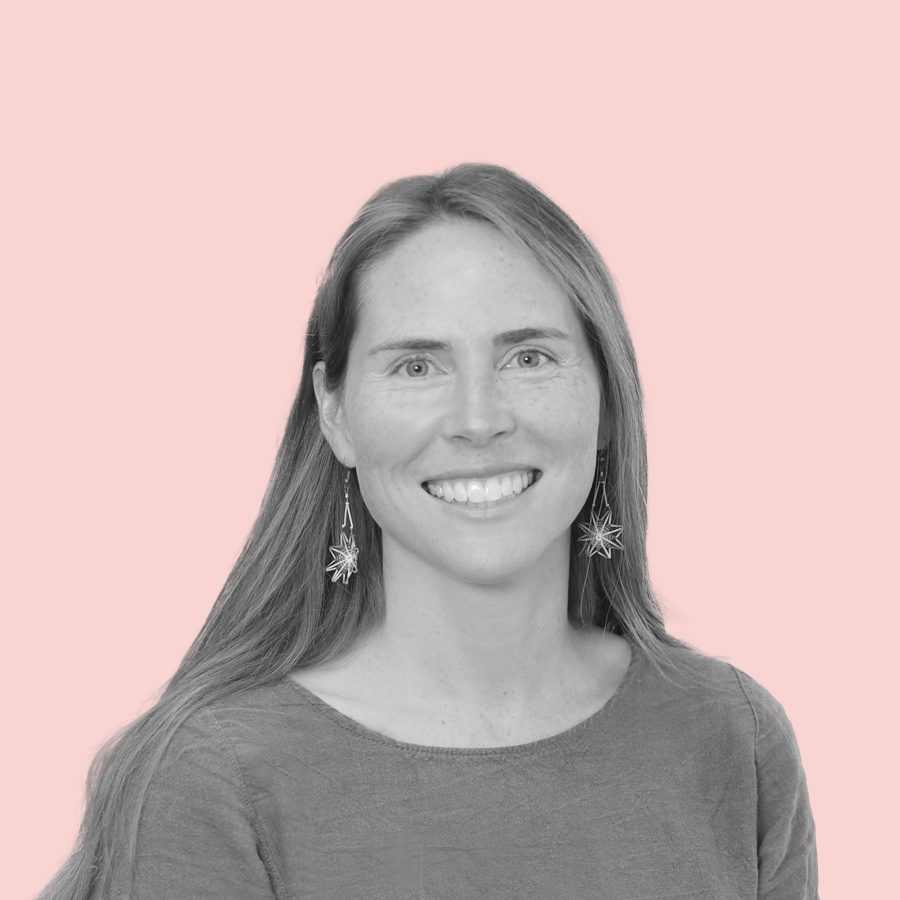
Queen’s University
Canada
Lindsay Borrows’ research focuses on revitalizing Indigenous legal traditions through sources such as stories, songs, ceremony, dances, language, treaties and art. Through community-engaged collaborations, she studies how Indigenous laws are being applied to contemporary environmental issues, including climate change and biodiversity loss. Her work supports the creation of contemporary Indigenous legal instruments and explores how reasoning in relation to the more-than-human world can offer new ways to deliberate, make decisions and resolve disputes.
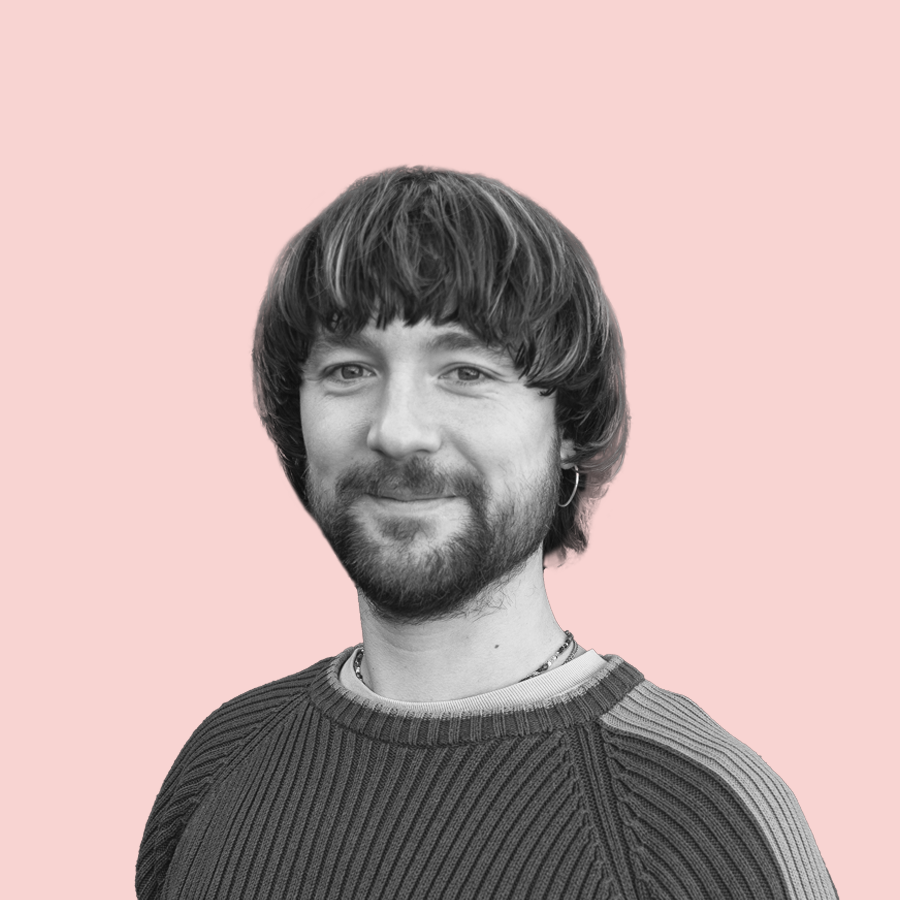
Durham University
United Kingdom / Ukraine
Jonathon Turnbull is a geographer whose research examines how environmental knowledge is produced, contested and understood across different places and contexts. His current project, Nightlife in the More-than-human City, explores the urban nightscape as an ecologically important but understudied space. Working with ecologists, citizen scientists and urban rewilders, Turnbull is developing participatory, multisensory and multispecies methods to study the everyday nighttime lives of cats in London, raccoons in Berlin and hedgehogs in Newcastle.
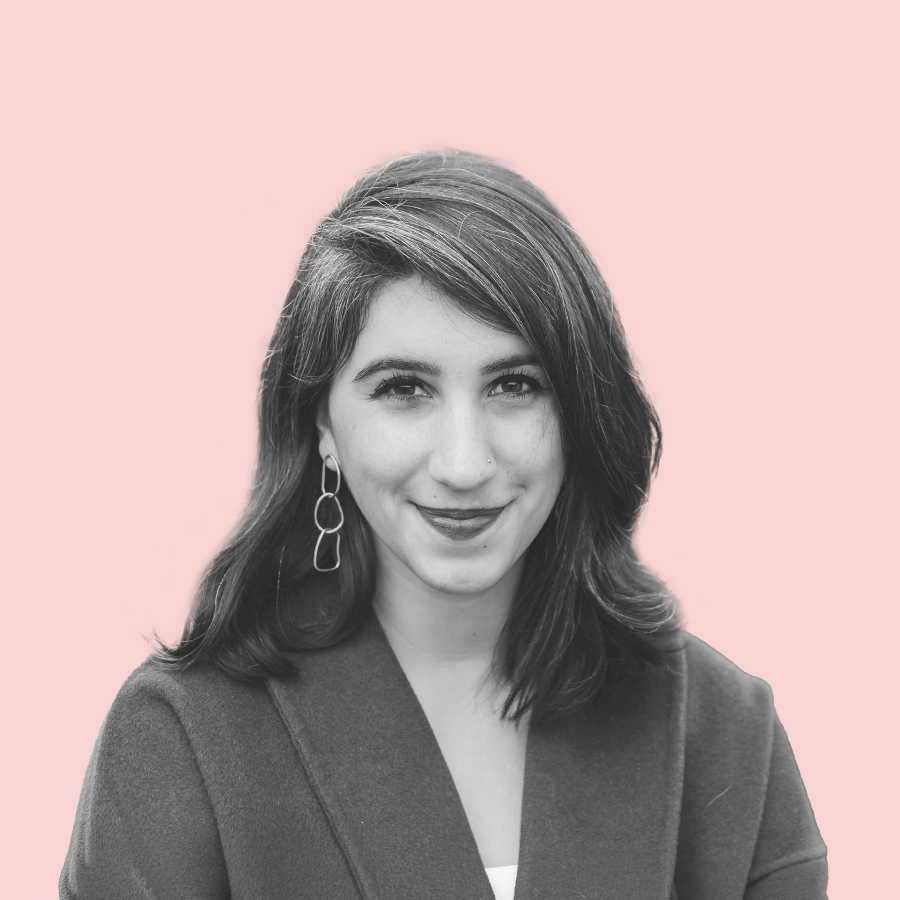
University of Toronto Mississauga
Canada
Sofia Locklear studies the racialization of Indigenous people living in urban settings across the United States. Her work focuses on housing and health outcomes, Indigenous evaluation methodologies, data sovereignty and how everyday experiences of racialization shape access to resources, community and support.
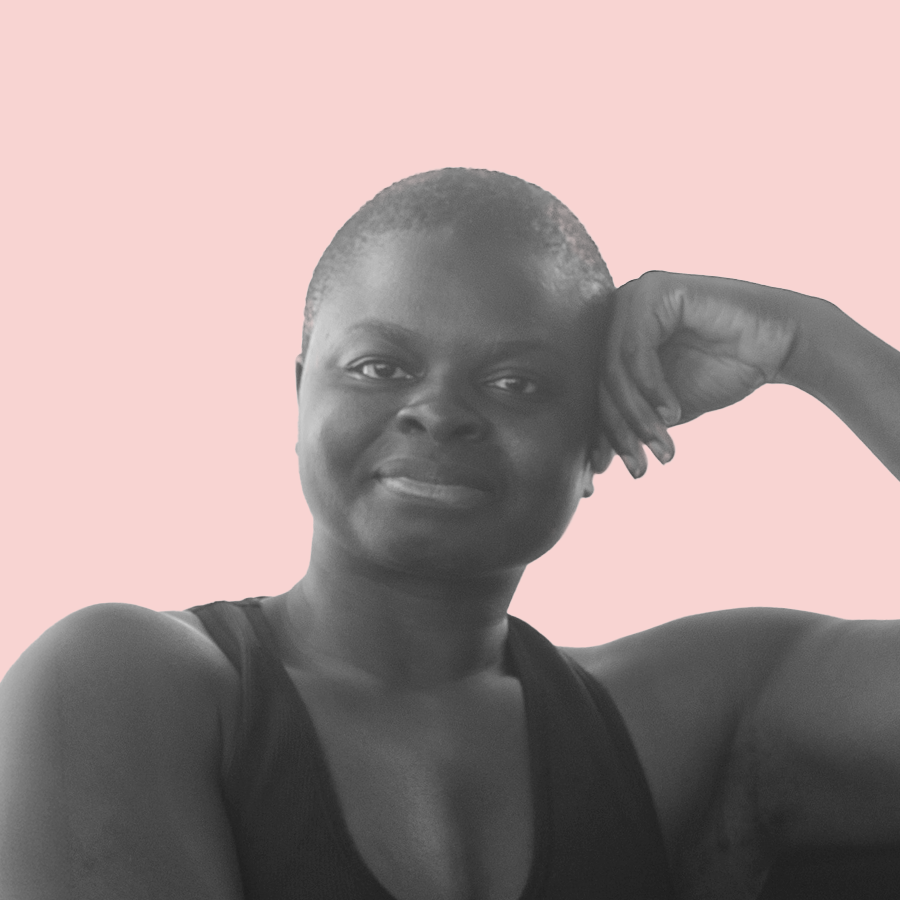
University of Washington
United States
Chrystel Oloukoï’s research sits at the intersection of black studies, urban studies, political economy, abolition geographies, film studies and queer theory. Oloukoï’s book manuscript and experimental film series, black nocturnal: Insurgent Nightscapes in Lagos, examine how urban residents resist criminalization and policing to reclaim night spaces as places of reprieve, life-making and possibility. She also co-leads a digital humanities platform on black movie theatres and screening spaces.

University of Calgary
Canada
Erik Bakkeren studies the interactions between microbes to better understand what drives the composition of the human microbiome, how different microbial communities influence health and how microbiomes might be engineered for human benefit. His work explores how the trillions of microbes that live in and on the human body contribute to health, and how his diversity and interactions shape the microbiome’s effects.
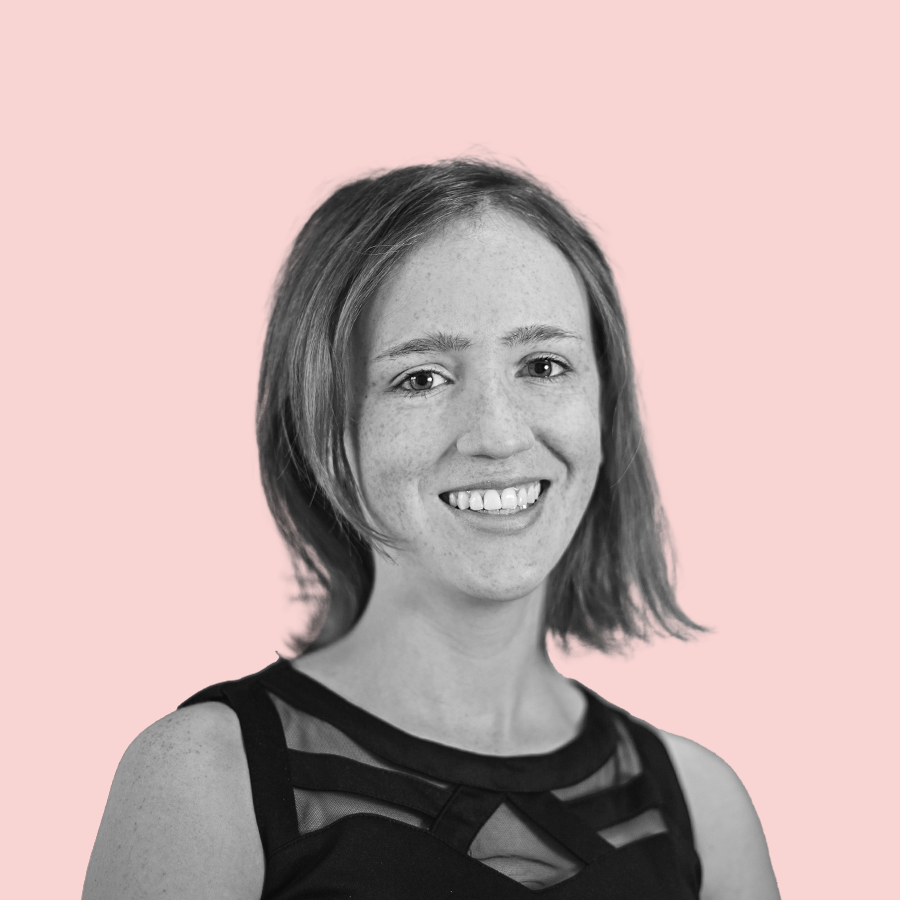
University of the Witwatersrand
South Africa
Simone Richardson leads the Fc-Omics research team, which investigates how antibody functions contribute to vaccine-mediated protection against infectious diseases. Her work uses systems serology to identify immune signatures that predict protection and applies these insights to diseases that disproportionately affect African populations, including HIV, congenital cytomegalovirus, RSV, Klebsiella and COVID-19. Richardson’s long-term goal is to help inform more effective and durable vaccine design.
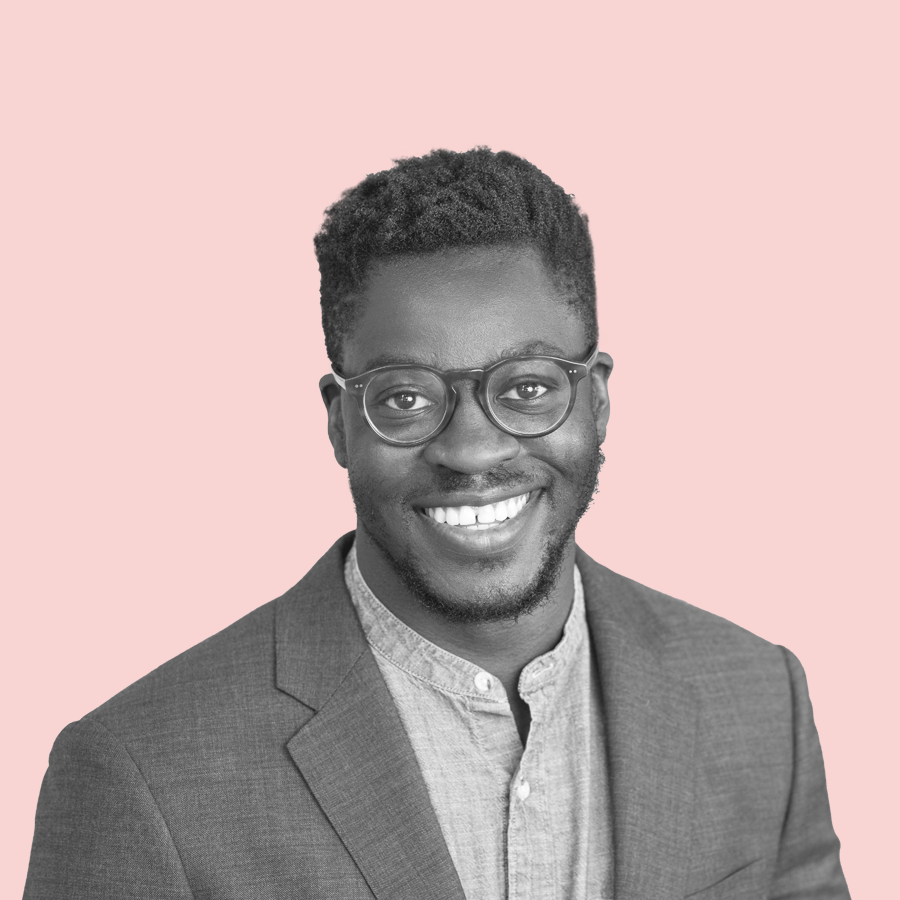
University of Pennsylvania
United States
Ottman Tertuliano studies how living structures, from mineralized tissues to cellular networks, sense, resist and adapt to mechanical forces. His research explores the physical mechanisms that allow bone to strengthen with exercise – and what breaks down in diseases such as osteoporosis. Using tools developed in-house, including synchrotron X-ray nanomechanics and nanoscale 3D-printed platforms, his lab investigates mechanical adaptation at the scales where it occurs.
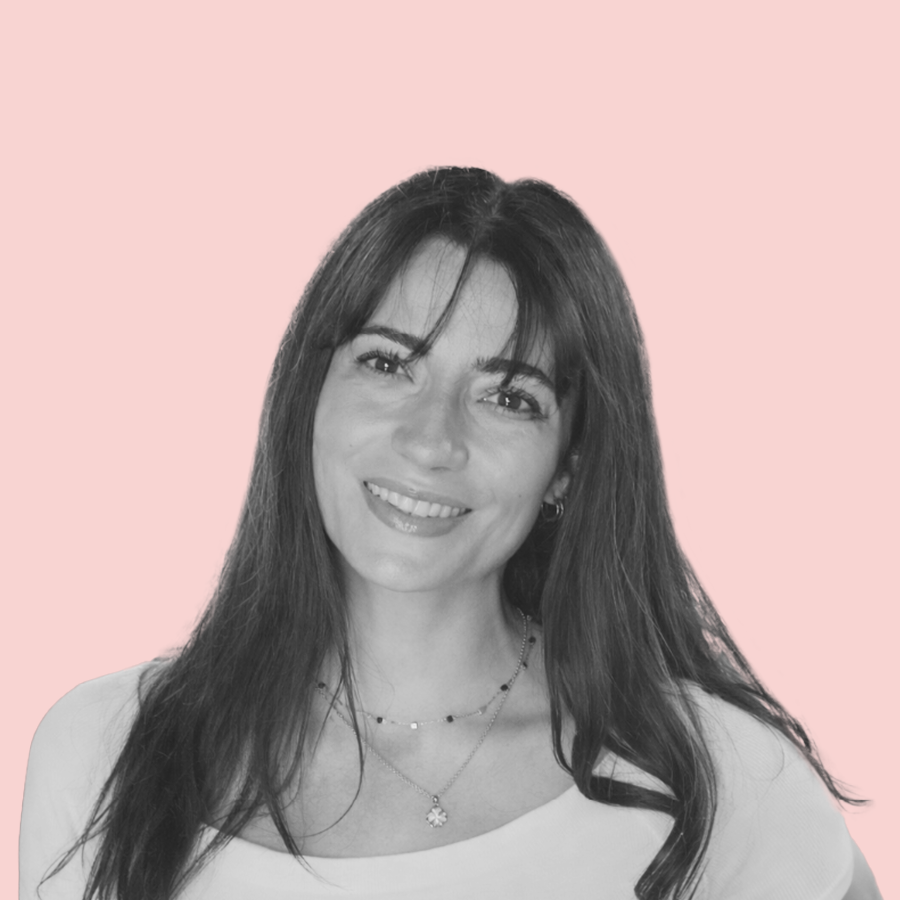
Northwestern University
United States
Jennifer Fowlie grows nearly atomic-scale ceramic crystals with electronic properties such as superconductivity and magnetism. Her lab studies how these properties are determined by the structure of crystals, with the goal of learning how to engineer new and desirable properties in quantum materials.

Massachusetts Institute of Technology
United States
Zhurun Ji studies ultra-thin quantum materials where electrons can organize into new states of matter with remarkable properties. Ji’s group develops microwave and millimetre-wave tools to probe and control these states at very small scales, revealing patterns that conventional methods can miss. Her broader vision is to make quantum matter measurable, controllable and ultimately engineerable for future quantum technologies.
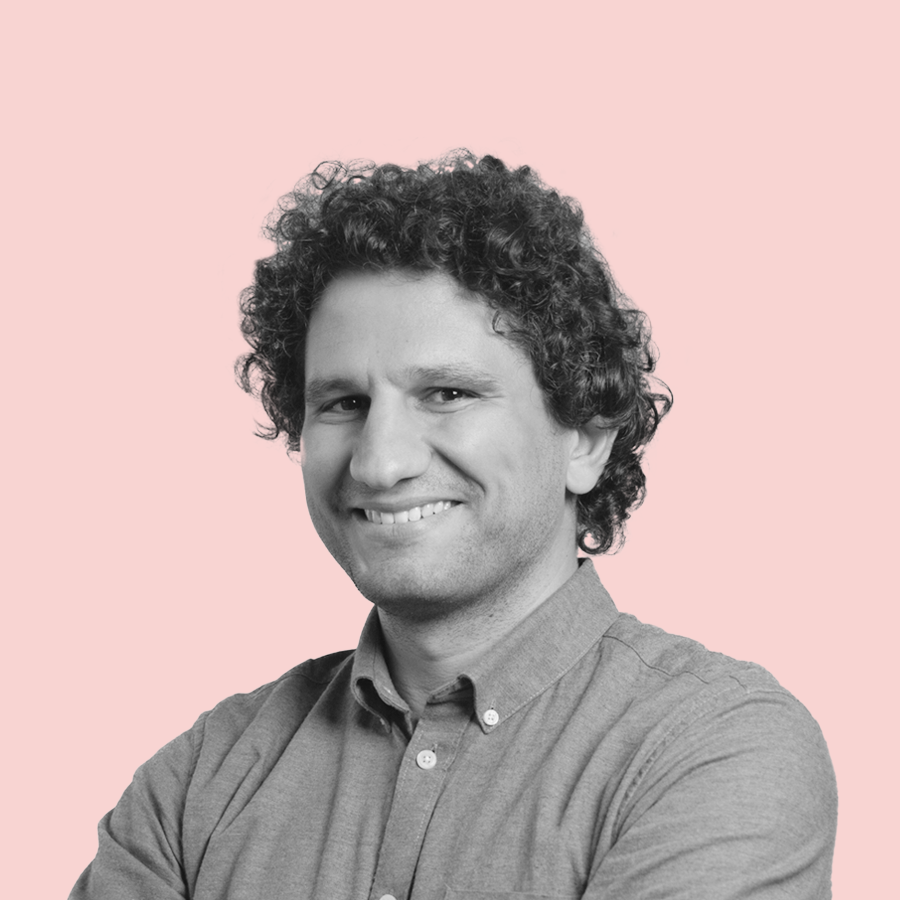
EPFL
Switzerland
Gregor Jotzu uses lasers to investigate how quantum systems become ordered in real time. Jotzu’s research asks why complex systems made up of vast numbers of interacting atoms can behave in simple, reliable and ordered ways – and how quickly that order can form. Using short flashes of light, his lab studies the dynamics of quantum materials and the emergence of order.
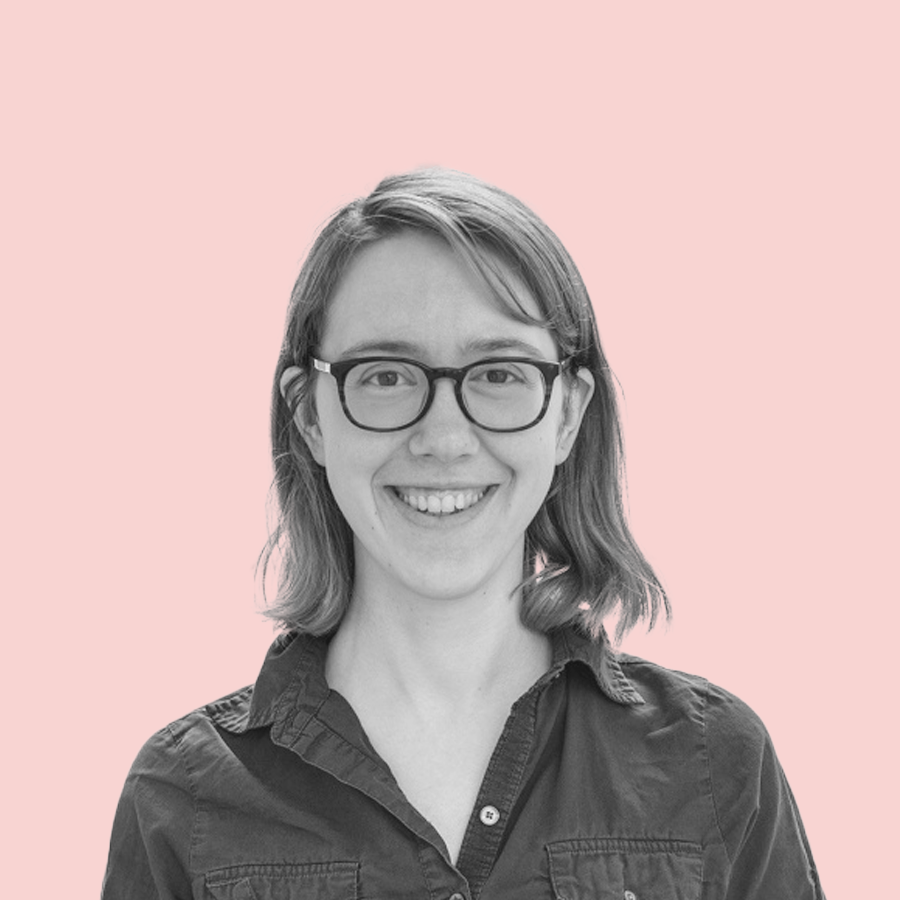
University of British Columbia
Canada
Kelsey Allen works across robotics, machine learning and cognitive science to understand the mechanisms that give rise to adaptive and efficient learning. Allen’s research focuses on decision-making and reasoning, with the goal of shedding light on how intelligent systems – biological and artificial – learn and adapt.
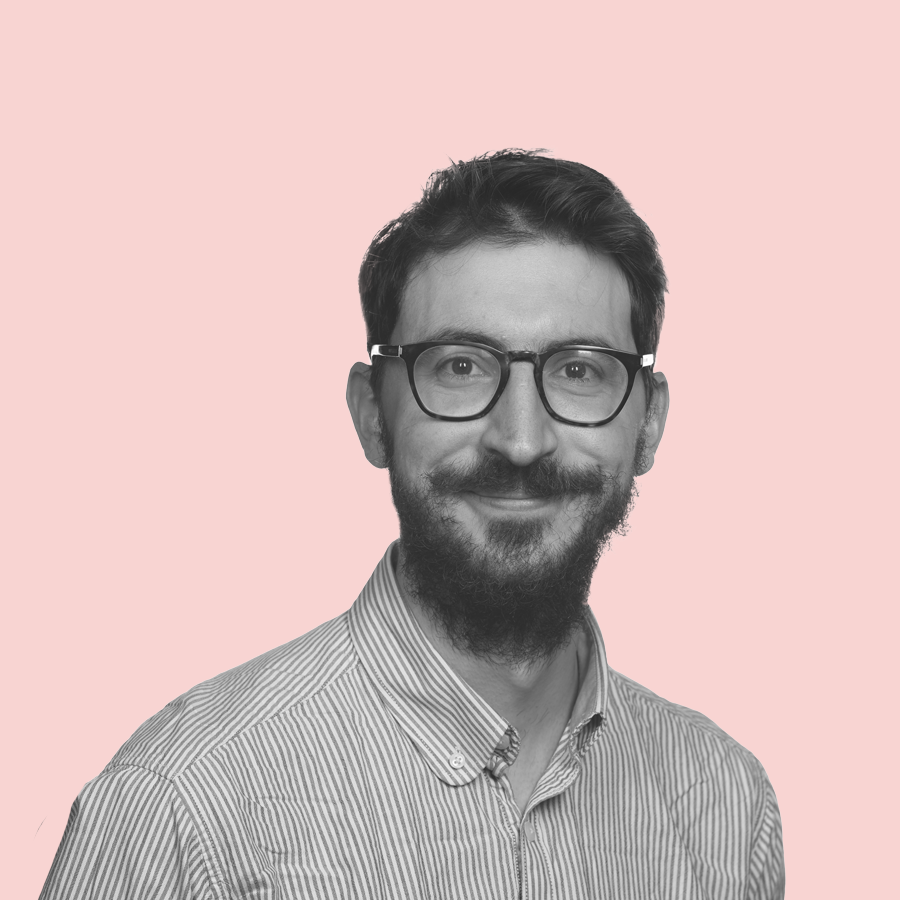
Inria
France
Quentin Bertrand studies generative models, multi-agent learning and how learning algorithms can leverage and interact with synthetic data produced by deep generative models. His work explores fundamental questions about how artificial intelligence systems learn, generalize and improve.
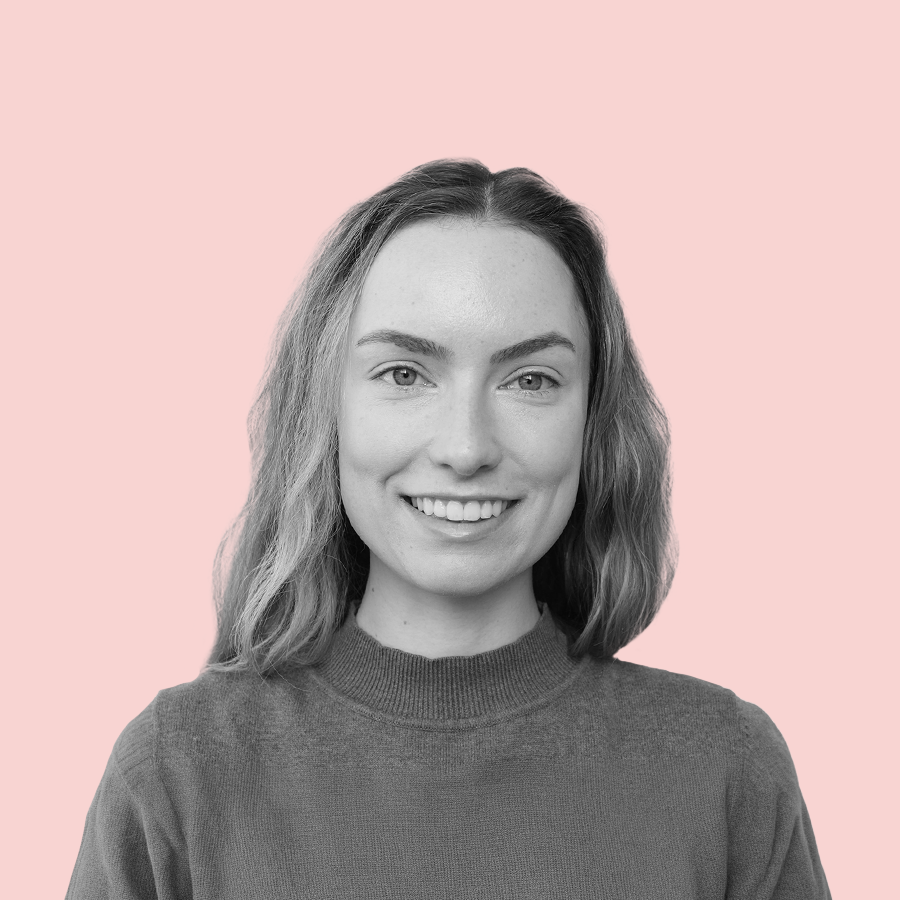
University of Alberta
Canada
Erin Grant’s research bridges cognitive science, neuroscience and artificial intelligence to understand how biological and artificial intelligence systems build internal representations of the world. Her work asks how simple computational principles can support complex abilities such as vision, language, decision-making and planning, with the goal of advancing both our understanding of biological intelligence and the development of more robust and transparent AI systems.
CIFAR proudly acknowledges the Azrieli Foundation, whose generous and visionary support was instrumental to the launch and nurturing of the Global Scholars program. As Founding Partner, the Foundation’s profound commitment lit the way for the first ten cohorts of the program (2016 to 2025).